Loading


Loading
Hivemind Digital Culture Fund
Hivemind holds work by ten of the artists shaping digital art’s first decades.
2 collections · 6 works
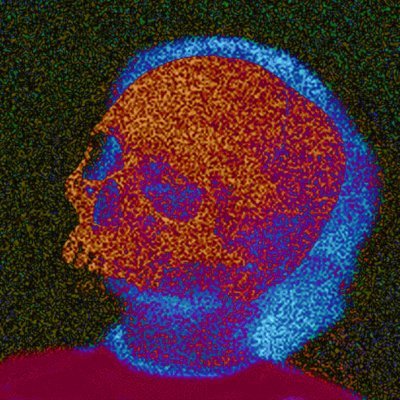
Alpha Centauri Kid (a.c.k.) is an artist and musician whose work spans glitch animation, digital painting, and textured physicals, unified by three recurring motifs: flowers, pianos, and the Muse, the creative force he describes himself as serving.
1 collection · 1 work
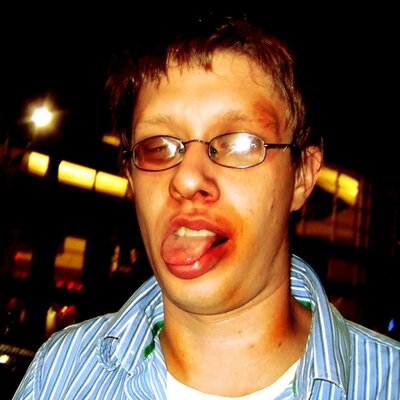
Beeple (Mike Winkelmann) has posted a new artwork every day since 2007, a discipline that became Everydays: The First 5000 Days, whose 2021 Christie's sale brought digital art into the auction mainstream. His practice spans the daily sketches, kinetic sculpture, and pointed cultural commentary.
3 collections · 44 works
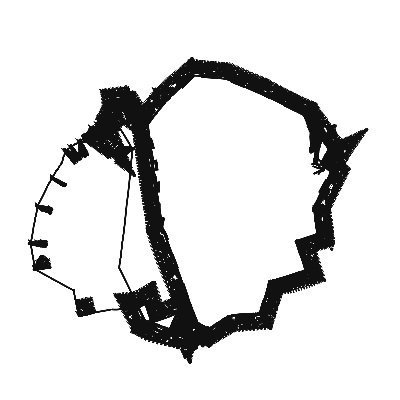
Dmitri Cherniak's long-form generative practice reinterprets 20th-century minimalism and geometric abstraction through code. Ringers, one thousand algorithmic studies of a string wrapped around pegs, remains one of the defining collections of the Art Blocks Curated program; a single Ringer, The Goose, sold for $6.2M at Sotheby's in 2023.
3 collections · 16 works
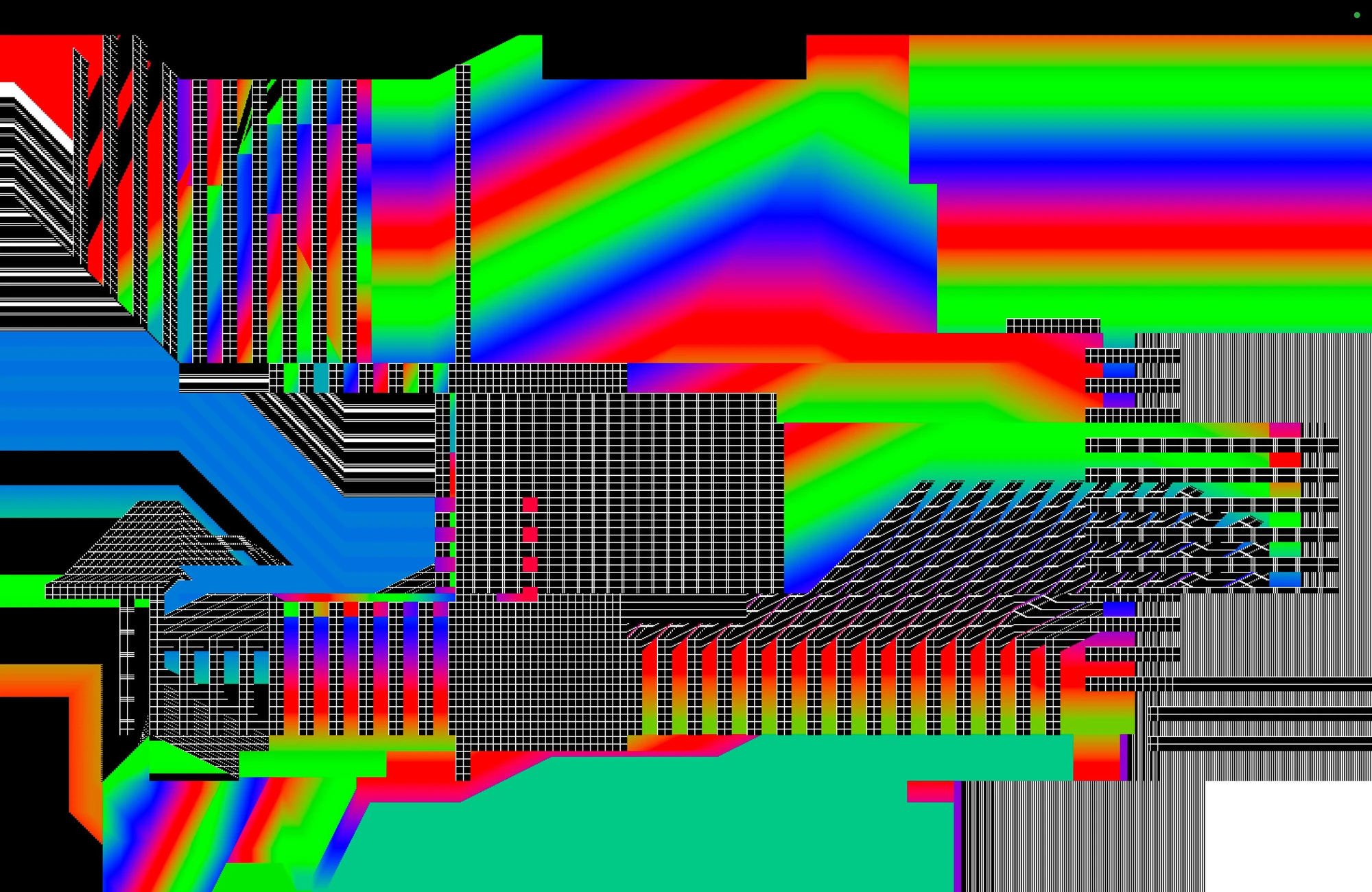
Kim Asendorf has been working with code since the net art era; his 2010 open-source pixel-sorting algorithm became a foundational tool of glitch culture. His practice spans real-time generative systems and the on-chain PXL ecosystem.


1 collection · 44 works
Larva Labs (Matt Hall and John Watkinson) created CryptoPunks in 2017: ten thousand algorithmically generated characters, claimed for free, that became the archetype for on-chain identity, helping pioneer on-chain generative art and sparking the NFT movement.
2 collections · 22 works
Operator (Ania Catherine and Dejha Ti) pair choreography with code, building conceptual systems that join environments, technology, and the body. Human Unreadable, winner of the 2023 Lumen Prize for generative art, derives each work from an on-chain choreographic sequence, released in stages from abstraction to live performance.
3 collections · 81 works
Refik Anadol renders data as moving image, using machine learning as his medium. Unsupervised was acquired into MoMA's permanent collection in 2023, a landmark for generative-AI art. Winds of Yawanawá and Biome Lumina extended the practice into living, dynamic works: the throughline that led to Dataland, his Museum of AI Arts in Los Angeles.
2 collections · 21 works
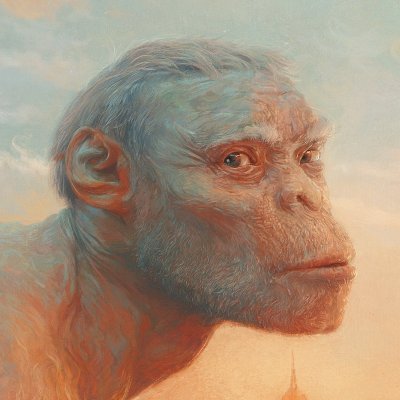
Sam Spratt brings old-world craftsmanship to digital tools, carrying the vocabulary of classical portraiture into a blockchain-native practice. His ongoing Luci mythology, extended across successive chapters, treats the chain as a medium for participatory authorship and long-form narrative.

4 collections · 37 works
Tyler Hobbs is among the defining figures of long-form generative art. His practice pairs precise algorithmic design with the chaos that emerges from human input and computational surprise. Fidenza, his 999-output Art Blocks Curated collection, extended his earlier flow-field studies into a fully realized algorithmic language.
2 collections · 30 works
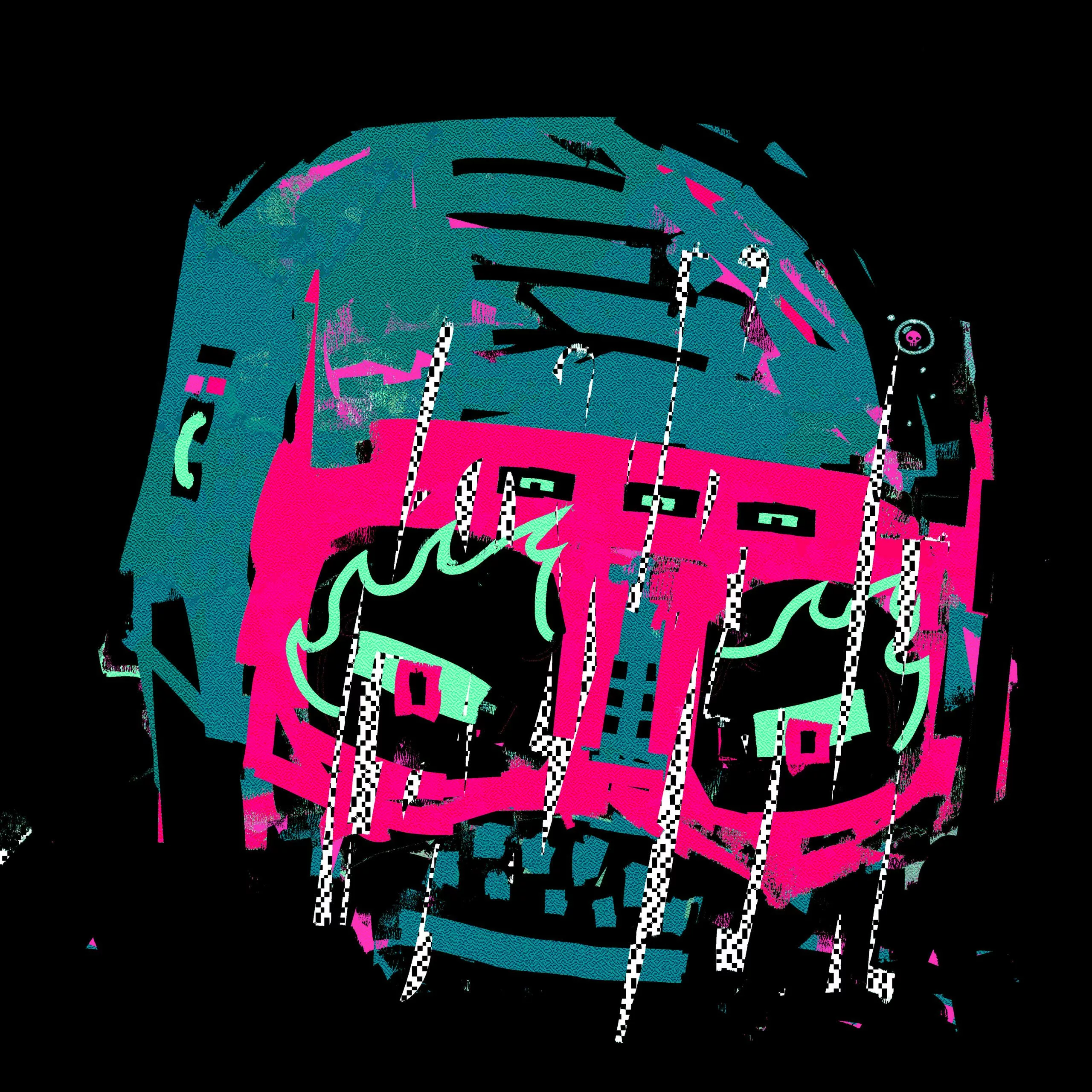
XCOPY is a pseudonymous artist whose glitch aesthetic has defined the visual language of crypto-native art. Themes of societal decay, mortality, and tech-mediated apathy are central to his work, which confronts viewers with a raw critique of the internet era.